Enriching lives through participation in music



Enriching lives through participation in music
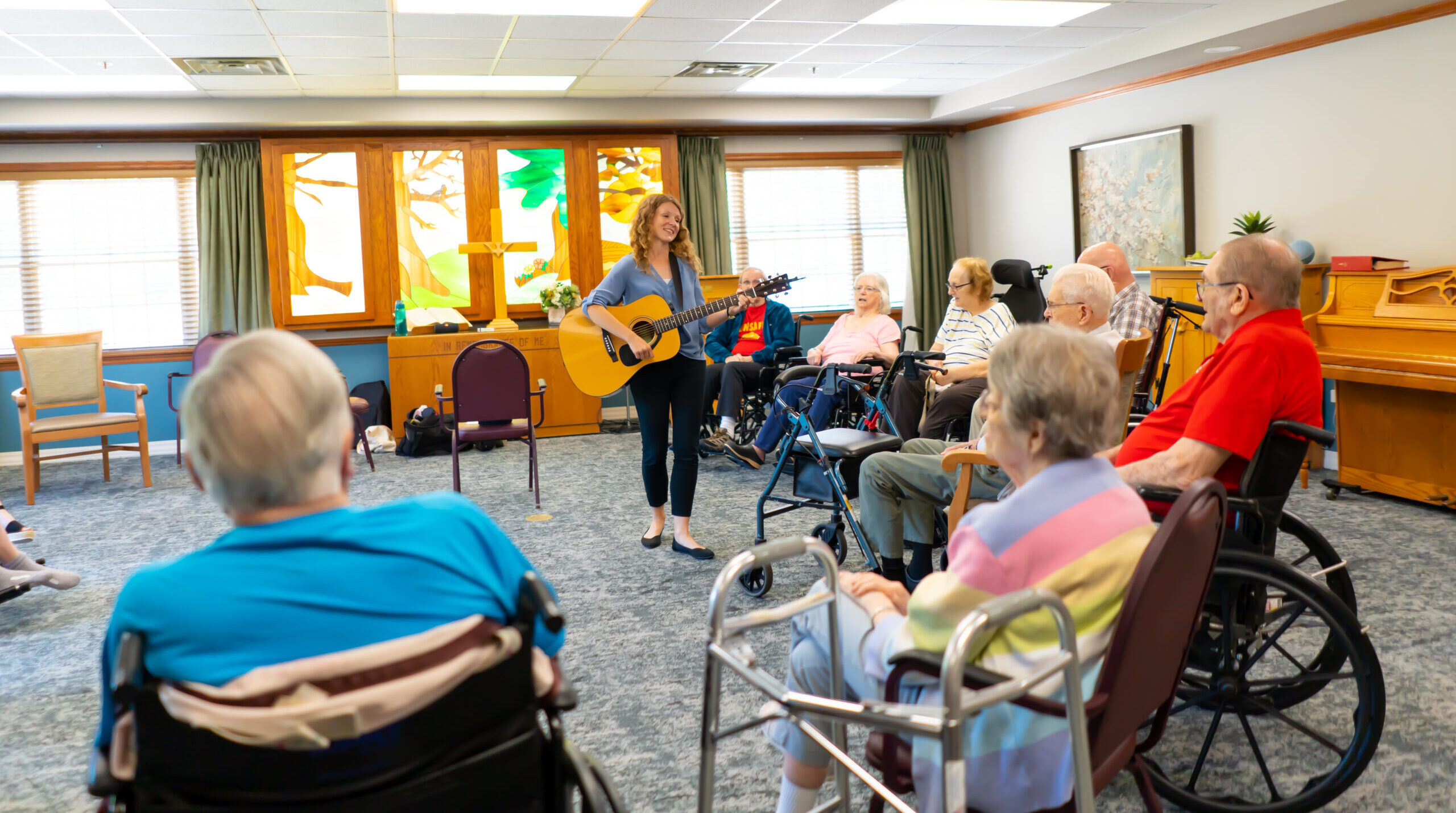
When West Music opened a piano gallery in the Des Moines area in 2011 they also added music therapy services for the community. The first music therapist in this part of the state was Jenny Denk who began with a community outreach choir in addition to contractual music therapy services. Today there are three full-time therapists serving Des Moines.
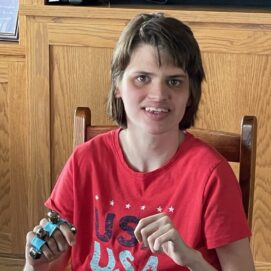
Erin has received music therapy services since 2015. Erin’s case manager helped them find a therapist after evaluating Erin’s interests and learning that music was at the top of the list.
Erin’s mom is grateful for the therapists who design sessions matching Erin’s abilities and interests. They make learning fun by using songs Erin loves while also encouraging her to work on targeted skills. She is motivated to do things she would not otherwise do.
Erin’s attention span has grown while her musical interest has expanded. She has learned the names of several household items through a favorite song. Erin especially enjoys “Jingle Bells,” and her therapist plays it with her year-round. Though she is mostly nonspeaking, Erin will ask for “Jingle Bells” using a full sentence!
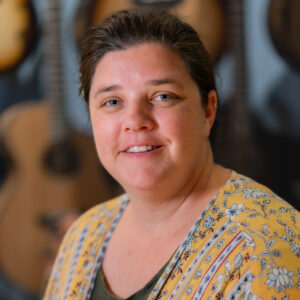
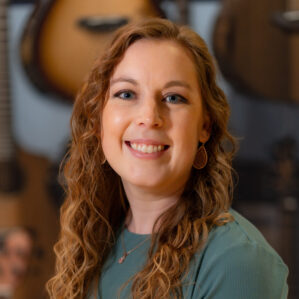
Amanda was born and raised in Iowa and has been a music therapist since 2012. She spent 8 years in California running a music therapy private practice, and in 2022 she joined West Music in Des Moines to be closer to family. Nothing beats “Iowa Nice!” She is passionate about working in hospice, and loves opportunities to listen to patients’ stories and wisdom. Outside of work she’s started to get into biking and exploring the beautiful trails that Des Moines has to offer.
Madi joined the West Music – Music Therapy team in 2016. She has worked with a variety of populations, including individuals with intellectual/developmental disabilities, patients at end-of-life, & cancer patients. Madi is especially passionate about her work in mental health settings and writing original songs with clients. She believes in the importance of self-expression and in focusing on what a person can do rather than on what they cannot. She combines these beliefs with her love of music to help individuals achieve their goals.

Ava started weekly music therapy services in 2021 with the goal of learning to express herself using her “NeuroNode” communication device. Through hard work she can now say and find more things on her device. Ava said that she is "proud" of herself.
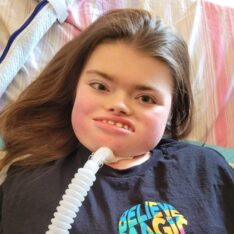
While Ava’s favorite instrument to play is the tambourine, her favorite part of music therapy is songwriting. Ava's mom, Jenni, assists Ava in her sessions and says that when Ava shares her songwriting with people, "it touches the lives of family and friends" and "it helps others learn to not judge."
Ava also enjoys playing pranks on everyone! For example, she likes choosing silly instruments and unusual ways to play them. Jenni said the silliness in music therapy helps Ava relax and be motivated. When asked about music therapy, Ava says, "I love it!"
Emma joined the music therapy team at West Music in 2016. She primarily works with individuals in inpatient cancer care, hospice, and inpatient mental health groups, but has experience working with a wide variety of clients. Emma was drawn to a career in music therapy because of the way music comforts and expresses emotions that are difficult to put into words. In her practice, she enjoys encouraging clients to express themselves and develop new coping skills through singing, playing instruments, or songwriting, regardless of their previous musical knowledge or experiences.
Joe started receiving services from Des Moines Metro in 2023. His daughter, a music therapist, encouraged him to find local assistance because he was struggling mentally and emotionally. Joe initially requested just one month of services, but later decided to continue indefinitely!
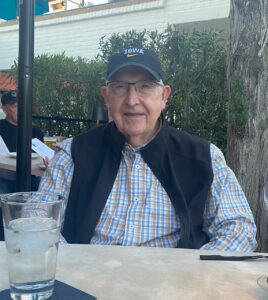
Joe appreciates the encouragement to dig into his thoughts to navigate life experiences. He has learned techniques for working through emotions and now knows different strategies that work for various situations. He says he can “reach into a bag” of coping mechanisms and say, “I better do this one.” Practicing coping skills has helped him grow from not knowing what to do to automatically initiating a learned skill.
Joe has a newfound ability to express his own feelings, noting, “It’s very easy to open up and talk about my issues [in music therapy]. I don’t have to be guarded about it.” This is exemplified in an original song entitled ‘1960.’ It helped him put his feelings for his wife into a form of verbal communication, which was a skill that he was actively trying to improve.